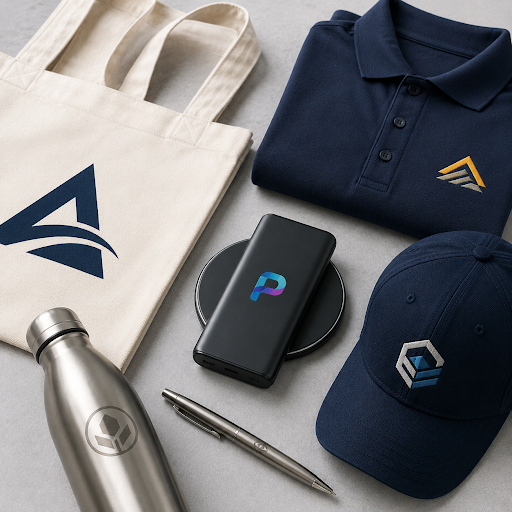
Let’s be real. Corporate merchandise is usually a headache. You spend three weeks emailing back and forth, fighting over the budget, and reviewing digital mockups. You think everything is perfect. Then the boxes arrive at your office, you rip one open, and the logo is blurry. Or the colors are slightly off. Or, worst of all, the print starts peeling off the second someone touches it.
I’ve seen it happen a hundred times. You picked the right item, but you picked the wrong branding method. That’s the mistake that kills your marketing budget. If you print ink on a stainless steel bottle, it’s going to scratch off in a week. If you try to embroider a tiny, detailed logo on a thin t-shirt, it’s going to look like a messy knot of thread.
To help you skip the embarrassment and keep your company looking professional, I’m breaking down the four main ways to brand gear. No fluff, no robotic transitions, just the facts.
1. Screen Printing: The Old-School Volume King
If you’re ordering five hundred tote bags for a trade show, high-volume screen printing is the way to go. It’s been around forever because it works. It’s cheap, it’s fast, and it’s durable.
How it works:
Think of a stencil. The shop makes a mesh screen for every color in your logo. They lay the screen on the product and push thick ink through the mesh with a squeegee. Then, they toss the item in an oven to bake the ink.
The pros:
It’s incredibly cheap once the screens are set up. If you have a simple, one-color logo, you can knock out thousands of items in a single afternoon. The ink is thick and opaque, so a white logo will look bright even on a black shirt.
The cons:
The setup is expensive. If you only want twenty shirts, you’re paying a fortune for the screens. Also, it can’t do gradients. If your logo has a “fade” or a “shadow” effect, this method just can’t do it. You need solid blocks of color.
2. UV Printing: High-Def for Modern Tech
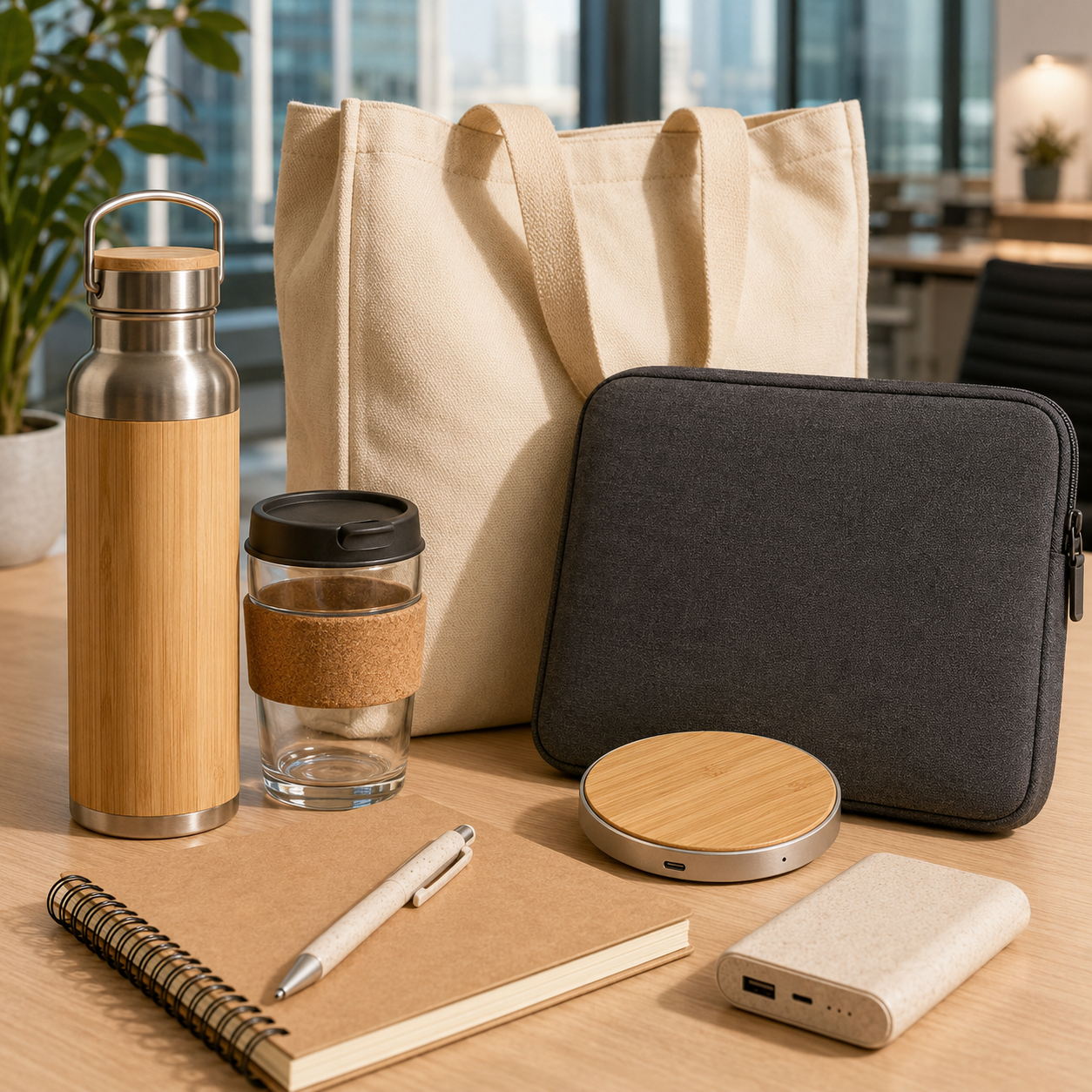
When you’re dealing with power banks, Bluetooth speakers, or those fancy charging pads, industrial setups are too clunky. UV printing is a digital printing process that uses UV light to instantly dry the ink.
How it works:
The product sits on a flat bed. A print head moves over it, spraying tiny drops of ink. A UV lamp right behind the head blasts the ink with light, turning it into a hard, permanent plastic layer before it can smudge.
The pros:
It’s digital, so it’s perfect for complex logos. It can handle photos, tiny text, and a dozen colors at once. There’s no “setup fee” for screens, so it’s great for smaller batches of high-end tech items or customized event gifts.
The cons:
It’s slower than setting up massive manual runs. If you need ten thousand units, this will take forever. It also needs a relatively flat surface. If your product is super curved or bumpy, the print head can’t stay close enough to get a crisp image.
3. Embroidery: The Only Way for Apparel
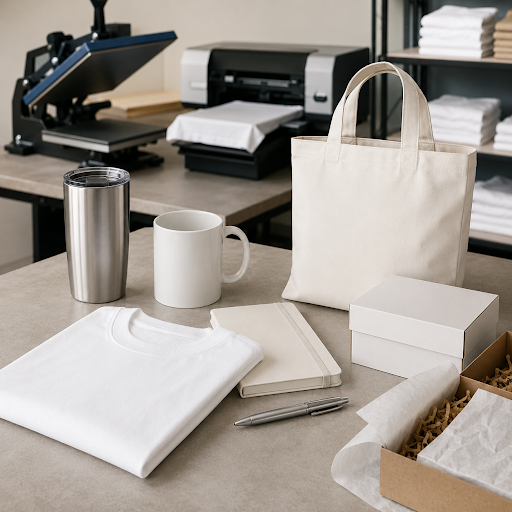
Don’t ever let a supplier talk you into pushing heavy ink configurations onto a polo shirt for a VIP client. It looks cheap, and the ink will crack after three washes. If you want retail-quality results on fabric, industrial t-shirt printing paired with targeted embroidery is the only way to make a uniform look like a high-end brand.
How it works:
Your logo is converted into a “stitch file.” A machine with multiple needles uses heavy-duty thread to physically sew the design into the fabric. It’s raised, it’s textured, and it’s permanent.
The pros:
It looks expensive. It’s professional. It can go through an industrial washing machine a hundred times and still look perfect. It’s the gold standard for staff uniforms and hats.
The cons:
It’s heavy. You can’t embroider a massive logo on a super thin, lightweight running shirt; it’ll pull the fabric and look all bunched up. For lightweight athletic wear, custom t shirt printing options work significantly better to prevent pulling. Also, you can’t do tiny text with thread; if your logo includes a slogan in 4-point font, it will just look like a blob.
4. Laser Engraving: Permanent Luxury
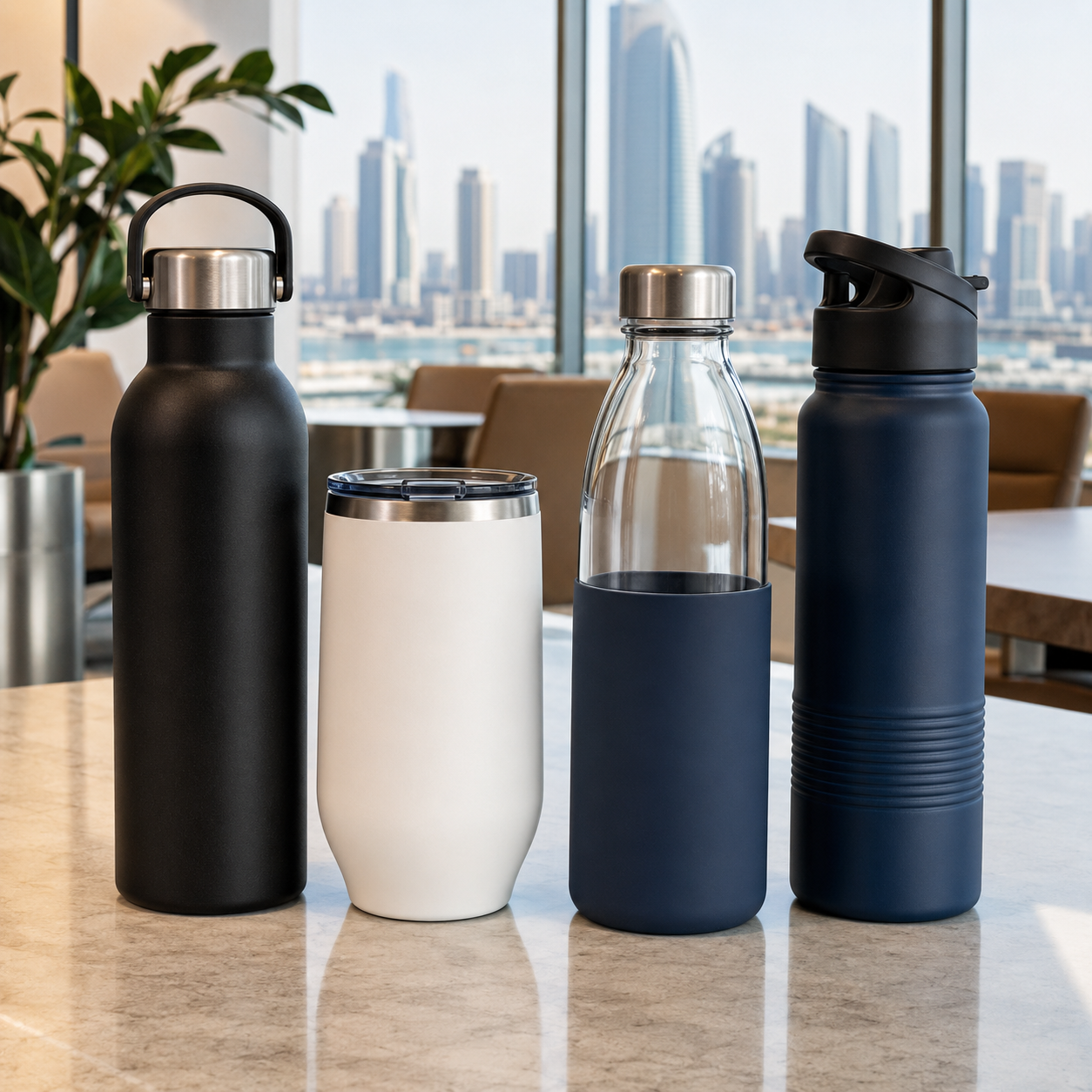
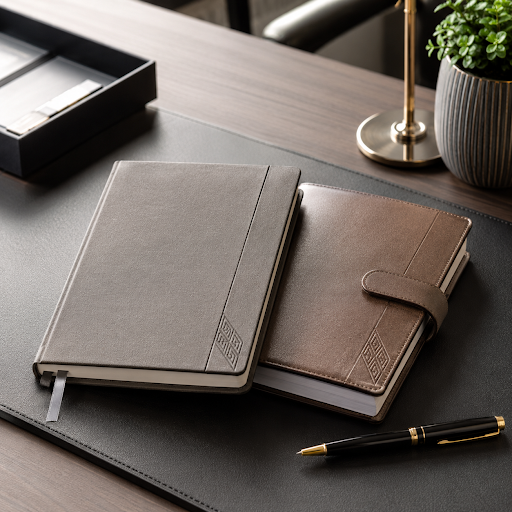
If you’re buying high-end metal water bottles or executive pens, use a laser. It’s not printing; it’s etching.
How it works:
A laser beam burns away the top layer of the material. If you have a matte black bottle, the laser burns the black paint off to reveal the silver metal underneath.
The pros:
It never, ever comes off. It’s laser-etched into the metal. It looks subtle, classy, and minimalist. It’s perfect for executives who don’t want a giant, loud logo on their desk.
The cons:
You can’t choose the color of the logo. You get whatever color the underlying material is. If you want a red logo on a blue bottle, you can’t use a laser. It’s also limited to metals, wood, and some hard plastics. You’ll melt a garment if you try this.
Why You Should Work with Al Nawras
I know you don’t have time to be a printing expert. You have a job to do. That’s why we handle the technical side at Al Nawras. We aren’t just middlemen who outsource your order to a random workshop. We run our own shop here in Abu Dhabi.
We check the files, we test the samples, and we make sure the logo is centered. We don’t guess—we know which method works for which material. If you need uniforms for your team or customized giveaways for a conference, we get it done right the first time so you don’t have to deal with a peeling logo disaster.
We hit deadlines. We match your Pantone colors. And we don’t treat you like just another order number.
Check out our latest gear at Al Nawras Printing Services, and let’s get your project started today.
Frequently Asked Questions
Why can’t I just use laser engraving for my colorful logo?
Because lasers don’t use ink. They only burn. If your logo has five different colors, a laser can’t replicate that. It will just turn the logo into a single-color “burn” mark. For colors, you need UV or standard layout setups.
How do I send my logo so it doesn’t look pixelated?
Don’t send a JPEG from your phone. I need a “vector” file, usually an .AI or .EPS file. If you don’t know what that is, ask your graphic designer. It’s the file that lets us stretch the logo as large as a billboard or as small as a pen without it getting blurry.
How long does embroidery take for a team of 50?
It takes a few days for the machine setup and then a day or two for the actual sewing. If you give us two weeks, we can do it easily. If you need it tomorrow, you’ll pay a rush fee, and it’ll be stressful for everyone. Give us some breathing room.
Why is embroidery better than printing for shirts?
Because shirts get washed. Ink sits on the fabric and eventually flakes off or becomes “tacky.” Thread is part of the shirt. It doesn’t peel, it doesn’t fade, and it looks like apparel you’d actually buy at a retail store.